Buy xmoviesforyou.eu ?
We are moving the project
xmoviesforyou.eu .
Are you interested in purchasing the domain
xmoviesforyou.eu ?
domain@kv-gmbh.de · 0541-91531010
Buy xmoviesforyou.eu ?
What filters best, ash, charcoal, or activated charcoal?
Activated charcoal is the best filter among the three options. It has a larger surface area and more porous structure, allowing it to effectively trap and remove impurities from air and water. Ash and regular charcoal may also have some filtering properties, but they are not as effective as activated charcoal. Therefore, when it comes to filtering, activated charcoal is the superior choice. **
Who produces charcoal?
Charcoal is typically produced by burning wood in a low-oxygen environment, a process known as pyrolysis. This can be done on a small scale by individuals for personal use or on a larger scale by commercial operations. Charcoal is also produced as a byproduct of other industries, such as the production of steel or sugar. **
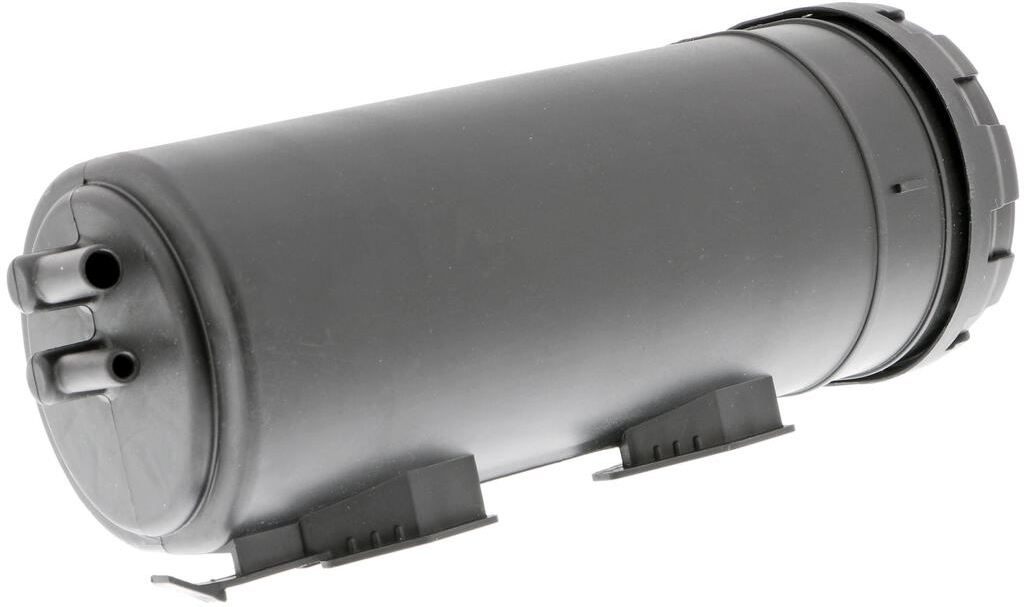

Similar search terms for BOGAP-B1629101-Charcoal-canister
Top-Angebote
Products related to BOGAP-B1629101-Charcoal-canister:
-
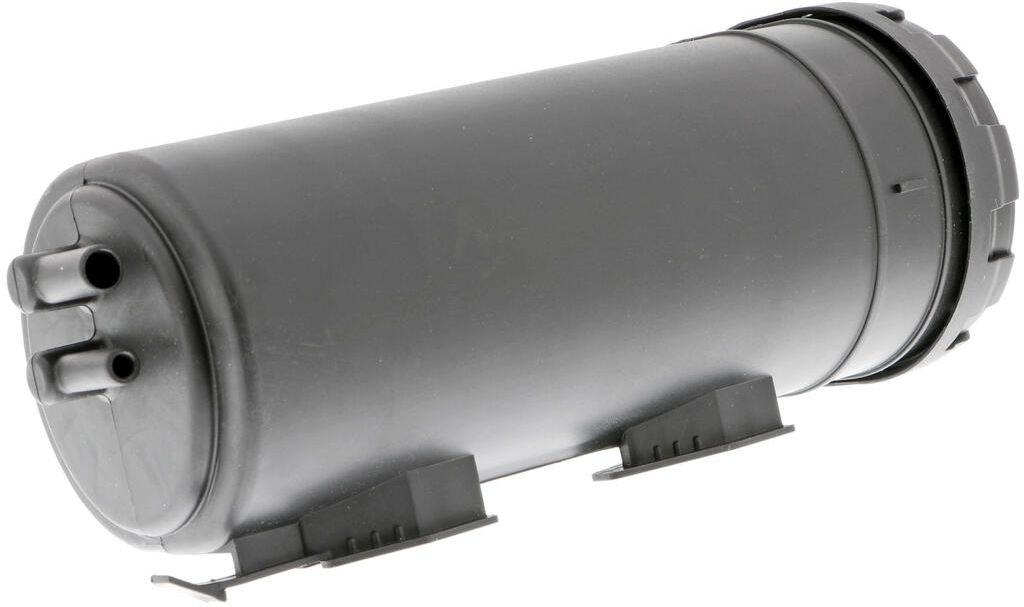
METZGER 2370202 Charcoal canisterMaterial: Plastic; Supplementary Article / Supplementary Info Info 2: without pipe; Construction Year to: 02/2015, 07/2018, 07/2016, 11/2017, 03/2019; Construction Year from: 03/2015, 07/2018, 11/2017, 03/2019; not for country specific design: Republic of Korea (South Korea), China; TecDoc Engine Number: 25629, 32534; for special equipment code: S805A; not for special equipment code: S1AKA; for OE number: 1613724415075,99 £*Shipping: 8,45 £Secure redirect to the provider


-
Is charcoal dangerous?
Charcoal itself is not inherently dangerous, but it can pose risks if not used properly. When burned, charcoal produces carbon monoxide, a colorless, odorless gas that can be harmful or even deadly if inhaled in high concentrations. Therefore, it is important to always use charcoal in a well-ventilated area to prevent the buildup of carbon monoxide. Additionally, ingesting charcoal can be dangerous and should be avoided. Overall, when used safely and responsibly, charcoal can be a useful and effective fuel source for cooking and heating. **
-
Should the film be developed with or without a canister?
The film should be developed with a canister. The canister protects the film from light exposure and physical damage during the development process. Without a canister, the film could be easily damaged and the quality of the developed images could be compromised. Therefore, using a canister is essential for ensuring the best results when developing film. **
-
How do I attach a magnet to a film canister?
To attach a magnet to a film canister, you can use a strong adhesive like super glue or epoxy. First, clean the surface of the film canister where you want to attach the magnet to ensure it is free of any dirt or debris. Apply a small amount of adhesive to the magnet and firmly press it onto the canister. Allow the adhesive to dry completely before using the magnet. **
-
Is it possible to use charcoal instead of activated charcoal?
While charcoal and activated charcoal may look similar, they are not the same. Activated charcoal has been specially treated to increase its surface area and make it more porous, which enhances its ability to adsorb toxins and impurities. Regular charcoal, on the other hand, may not have the same adsorption capabilities. Therefore, it is not recommended to use regular charcoal as a substitute for activated charcoal in medical or purification applications. **


Is the gasoline canister approved?
Yes, the gasoline canister is approved. It has been tested and certified to meet safety and quality standards, ensuring that it is suitable for storing and transporting gasoline. The approval indicates that the canister has been evaluated and found to be compliant with regulations and requirements, making it safe and reliable for its intended use. **
What color is charcoal?
Charcoal is typically a dark gray or black color. It is the color of the residue left after burning wood or other organic materials. Charcoal is often used for drawing and sketching because of its deep, rich color. **
Top-Angebote
Products related to BOGAP-B1629101-Charcoal-canister:
-
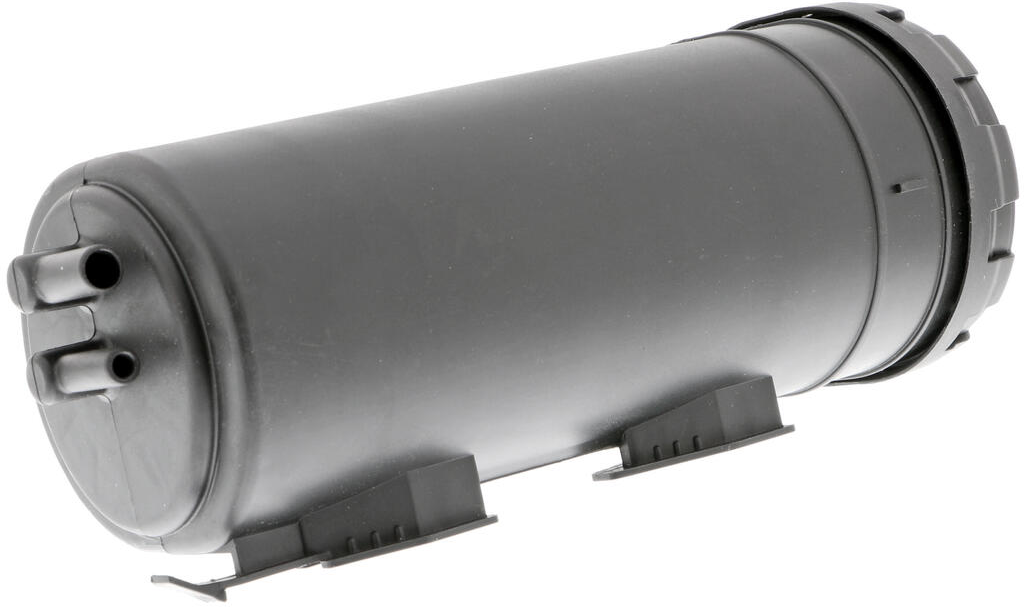
METZGER 2370202 Charcoal canisterMaterial: Plastic; Supplementary Article / Supplementary Info Info 2: without pipe; Construction Year to: 02/2015, 07/2018, 07/2016, 11/2017, 03/2019; Construction Year from: 03/2015, 07/2018, 11/2017, 03/2019; not for country specific design: Republic of Korea (South Korea), China; TecDoc Engine Number: 25629, 32534; for special equipment code: S805A; not for special equipment code: S1AKA; for OE number: 1613724415075,99 £*Shipping: 8,45 £Secure redirect to the provider
-
What filters best, ash, charcoal, or activated charcoal?
Activated charcoal is the best filter among the three options. It has a larger surface area and more porous structure, allowing it to effectively trap and remove impurities from air and water. Ash and regular charcoal may also have some filtering properties, but they are not as effective as activated charcoal. Therefore, when it comes to filtering, activated charcoal is the superior choice. **
-
Who produces charcoal?
Charcoal is typically produced by burning wood in a low-oxygen environment, a process known as pyrolysis. This can be done on a small scale by individuals for personal use or on a larger scale by commercial operations. Charcoal is also produced as a byproduct of other industries, such as the production of steel or sugar. **
-
Is charcoal dangerous?
Charcoal itself is not inherently dangerous, but it can pose risks if not used properly. When burned, charcoal produces carbon monoxide, a colorless, odorless gas that can be harmful or even deadly if inhaled in high concentrations. Therefore, it is important to always use charcoal in a well-ventilated area to prevent the buildup of carbon monoxide. Additionally, ingesting charcoal can be dangerous and should be avoided. Overall, when used safely and responsibly, charcoal can be a useful and effective fuel source for cooking and heating. **
-
Should the film be developed with or without a canister?
The film should be developed with a canister. The canister protects the film from light exposure and physical damage during the development process. Without a canister, the film could be easily damaged and the quality of the developed images could be compromised. Therefore, using a canister is essential for ensuring the best results when developing film. **
Similar search terms for BOGAP-B1629101-Charcoal-canister
-
VAICO V30-2216 Charcoal canisterHousing material: Plastic; Height: 285; Packaging width [cm]: 16,2; Packaging height [cm]: 10,8; Packaging Depth [cm]: 31; Supplementary Info: Original VAICO Quality; Vehicle Identification Number (VIN) from: A 382313, R 073430; not for country specific design: USA, Republic of Korea (South Korea); Construction Year to: 04/2005, 07/2006, 07/2005, 07/2004; Vehicle type: CLS55035,49 £*Shipping: 8,45 £Secure redirect to the provider
-
How do I attach a magnet to a film canister?
To attach a magnet to a film canister, you can use a strong adhesive like super glue or epoxy. First, clean the surface of the film canister where you want to attach the magnet to ensure it is free of any dirt or debris. Apply a small amount of adhesive to the magnet and firmly press it onto the canister. Allow the adhesive to dry completely before using the magnet. **
-
Is it possible to use charcoal instead of activated charcoal?
While charcoal and activated charcoal may look similar, they are not the same. Activated charcoal has been specially treated to increase its surface area and make it more porous, which enhances its ability to adsorb toxins and impurities. Regular charcoal, on the other hand, may not have the same adsorption capabilities. Therefore, it is not recommended to use regular charcoal as a substitute for activated charcoal in medical or purification applications. **
-
Is the gasoline canister approved?
Yes, the gasoline canister is approved. It has been tested and certified to meet safety and quality standards, ensuring that it is suitable for storing and transporting gasoline. The approval indicates that the canister has been evaluated and found to be compliant with regulations and requirements, making it safe and reliable for its intended use. **
-
What color is charcoal?
Charcoal is typically a dark gray or black color. It is the color of the residue left after burning wood or other organic materials. Charcoal is often used for drawing and sketching because of its deep, rich color. **
* All prices are inclusive of VAT and, if applicable, plus shipping costs. The offer information is based on the details provided by the respective shop and is updated through automated processes. Real-time updates do not occur, so deviations can occur in individual cases. ** Note: Parts of this content were created by AI.